
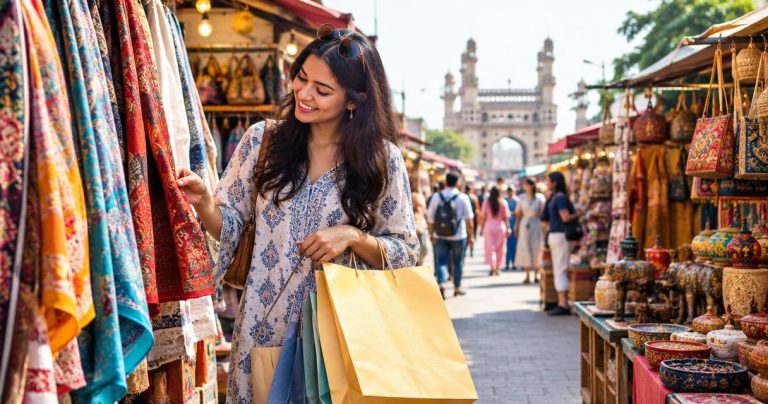
Best overall: Delhi. Best for block-printed textiles: Jaipur. Best budget-minded choice for second-hand books: Kolkata. The best shopping destinations in India in 2026 depend on what you want to bring home, not how many markets you can fit into a day.
- Delhi leads the best shopping destinations in India for mixed bargain hunting; choose Jaipur for block-printed textiles.
- Mumbai suits street-fashion browsing; Kolkata suits second-hand books; Ahmedabad suits regional textile crafts.
- Varanasi is the specialist choice for Banarasi silk; Hyderabad suits bangles and occasion accessories.
- Mann Travel NZ suits New Zealand travellers planning India flights around shopping and family visits.
For a shopping-led trip, Mann Travel NZ compares and books flights from New Zealand to Indian cities. Choose your arrival city around your wider itinerary, then add markets that match your shopping list.
Why this matters
A bargain is a purchase you can inspect, use and bring home without avoidable complications. A market famous for inexpensive clothing is not automatically the right place for silk, jewellery or handmade textiles.
For your 2026 itinerary, separate everyday bargain hunting from specialist purchases. Compare streetwear by fit and condition; compare craft goods by material, construction and provenance. The same bargaining approach does not suit every shop.
What makes the best shopping destinations in India?
Use these criteria before choosing your shopping stops in 2026:
- Category fit: Choose a city known for the goods you actually want, rather than shopping without a purpose.
- Comparison opportunities: Markets with several relevant sellers let you assess workmanship and asking terms before committing.
- Inspectability: You should be able to check seams, fastenings, fabric, printing and damage before paying.
- Practical access: Include the journey to the market and the effort of carrying purchases back to your accommodation.
- Purchase confidence: Receipts and clear material descriptions matter more as the purchase becomes more specialised.
- Return-home suitability: Consider baggage allowances and New Zealand biosecurity requirements before choosing bulky or natural-material goods.
Shopping destinations at a glance
| Destination | Best for | Standout shopping area or speciality | Key limitation |
|---|---|---|---|
| Delhi | Mixed-category bargain hunting | Sarojini Nagar, Janpath and Chandni Chowk | Different categories require different market stops |
| Jaipur | Block-printed textiles | Bapu Bazaar and textile shops | Print style alone does not establish production method |
| Mumbai | Street-fashion browsing | Colaba Causeway and Linking Road | Trying on clothes is not always practical |
| Kolkata | Second-hand books | College Street | Condition and edition need individual checks |
| Ahmedabad | Gujarati textile crafts | Law Garden market | Handmade and machine-made goods need distinguishing |
| Varanasi | Banarasi silk shopping | Silk and sari shops | Fibre and weaving claims need verification |
| Hyderabad | Bangles and occasion accessories | Laad Bazaar | Sizing and fragile purchases need care |
1. Delhi: best for mixed-category bargain hunting
Delhi is the strongest default when your shopping list includes clothing, accessories, gifts and fabrics. Sarojini Nagar is associated with clothing bargains, Janpath with clothing and souvenirs, and Chandni Chowk with specialist shopping lanes.
Best for: Travellers who want several shopping categories without changing cities. Pick a market for its speciality instead of expecting every Delhi bazaar to sell the same things.
Delhi pros:
- Different markets serve different shopping needs.
- Clothing and small accessories are easy to compare visually.
- Specialist lanes help focus a fabric or occasion-wear search.
Delhi cons:
- Moving between markets adds travel time.
- Crowded lanes make carrying large purchases awkward.
Inspect zips, seams and stains before buying clothing. Do not assume a branded label proves authenticity, and do not buy an unfamiliar size without checking the garment itself.
Verdict: Buy in Delhi when variety matters most; choose one market per shopping session.
2. Jaipur: best for block-printed textiles
Jaipur is a useful choice for printed cotton clothing, scarves, bedcovers and other textiles. Bapu Bazaar is a recognised shopping stop, while specialist textile shops provide another way to compare fabrics and printing.
Best for: Travellers building a coordinated textile shopping list rather than browsing unrelated souvenirs. Jaipur makes particular sense when Rajasthan is already part of your route.
Jaipur pros:
- Textiles give your shopping trip a clear focus.
- Scarves and unfilled cushion covers pack relatively flat.
- Fabric, print and stitching can be inspected together.
Jaipur cons:
- A traditional-looking pattern does not prove hand printing.
- Bulky bedcovers occupy valuable baggage space.
Ask whether an item is hand-block printed or machine printed, and request care instructions. Check the reverse, hems and colour consistency; visual inspection helps assess finish but does not certify how something was made.
Verdict: Buy in Jaipur for printed textiles; skip purchases whose material or production claims remain unclear.
3. Mumbai: best for street-fashion browsing
Mumbai suits travellers who enjoy browsing clothes, bags and accessories. Colaba Causeway and Linking Road are established shopping areas, making the city a practical fashion stop within a Mumbai itinerary.
Best for: Shoppers who prioritise wearable finds over region-specific crafts. Start with a shortlist of garments you need, then assess each item rather than buying because a stall looks busy.
Mumbai pros:
- Clothing and accessories work well for comparison shopping.
- Small purchases are easier to carry than homewares.
- Fashion browsing fits a trip already centred on Mumbai.
Mumbai cons:
- Street stalls do not always provide fitting facilities.
- An attractive display says nothing about garment durability.
Carry the measurements of a well-fitting garment. Check fabric stretch, transparency, lining and fastenings, particularly when you cannot try something on. Treat footwear fit as essential, not something to fix after returning home.
Verdict: Buy in Mumbai for street-fashion finds; skip anything that needs an uncertain fit.
4. Kolkata: best for second-hand book hunting
College Street gives Kolkata a distinct place on this list. Its booksellers make it a focused destination for readers searching for used books, academic titles and editions that reward patient browsing.
Best for: Budget-minded readers who enjoy searching title by title. Bring a written list with author names and editions, especially for textbooks or reference works.
Kolkata pros:
- A specific book list makes comparison straightforward.
- Used copies offer an alternative to buying new.
- Condition can be assessed before purchase.
Kolkata cons:
- Books quickly add weight to checked baggage.
- A matching title does not guarantee the required edition.
Look for missing pages, loose bindings, annotations and signs of moisture damage. For academic books, check the edition and publication details rather than relying on a familiar cover. Buy books you intend to read or use, not a stack that creates a packing problem.
Verdict: Buy in Kolkata for purposeful book hunting; skip damaged or unsuitable editions.
5. Ahmedabad: best for Gujarati textile crafts
Ahmedabad is a strong choice for travellers interested in embroidered clothing, mirror-work accessories and Gujarati textile traditions. Law Garden market is a recognised stop for this kind of browsing.
Best for: Shoppers seeking decorative textile pieces rather than general fashion basics. Look at the reverse of embroidery as well as the front; construction matters as much as colour.
Ahmedabad pros:
- Regional textile styles give purchases a clear focus.
- Small accessories offer an alternative to larger garments.
- Embroidery and finishing can be compared side by side.
Ahmedabad cons:
- Decorative pieces need careful checking for loose attachments.
- Appearance alone does not establish handmade provenance.
Ask what the seller means by handmade, which parts are worked by hand, and how the item should be cleaned. Choose something that fits your wardrobe or home rather than a piece with no practical use after the trip.
Verdict: Buy in Ahmedabad for Gujarati textile crafts; prioritise secure stitching and clear descriptions.
6. Varanasi: best for Banarasi silk shopping
Varanasi is the specialist choice for travellers interested in Banarasi saris and woven textiles. This is a more deliberate purchase than picking up casual market clothing: fibre composition, weaving and seller documentation deserve attention.
Best for: Travellers with a specific silk or occasion-wear purchase in mind. Decide how you will use the fabric before choosing its weight, dimensions and finish.
Varanasi pros:
- Banarasi weaving provides a distinct shopping focus.
- Specialist shops allow detailed questions about the textile.
- A planned purchase avoids unrelated souvenir buying.
Varanasi cons:
- Touch and shine alone cannot establish pure silk.
- Intricate textiles require appropriate packing and care.
Ask for the stated fibre composition and a receipt describing the item. Do not treat a salesperson's demonstration as independent proof of authenticity, and avoid damaging tests such as burning fabric.
Verdict: Buy in Varanasi for a considered Banarasi textile purchase; wait if material claims are unclear.
7. Hyderabad: best for bangles and occasion accessories
Laad Bazaar, near the Charminar, is Hyderabad's established shopping area for bangles. It suits travellers matching accessories to occasion wear or looking for compact decorative gifts.
Best for: Shoppers who already know the colours and sizes they need. Bring a reference photo of the outfit rather than trying to remember its exact shade.
Hyderabad pros:
- A defined accessory category keeps shopping focused.
- Colour combinations can be compared in person.
- Small items take up less space than bulky homewares.
Hyderabad cons:
- Fragile bangles need protective packing.
- Gifts are difficult to choose without reliable sizing.
Check edges, closures and decorative attachments before accepting the set. Ask the seller to pack fragile pieces securely. Treat any precious-metal or gemstone claim as a separate verification issue, not a reason to trust an entire display.
Verdict: Buy in Hyderabad for correctly sized occasion accessories; skip uncertain gift sizes.
How this ranking works
This ranking prioritises category fit, opportunities to compare purchases, practical inspection and suitability for a New Zealand-bound suitcase. It is a destination guide, not a claim that every seller in a city offers good value.
Delhi ranks first because it covers several shopping categories. The remaining destinations each serve a different purpose: choose the category before choosing the city. No destination wins every shopping task.
Plan your 2026 shopping stops before booking
Build shopping into your existing route instead of adding a flight solely for an unverified bargain. Mann Travel NZ can compare and book India flights; your shopping plan should support the rest of your journey.
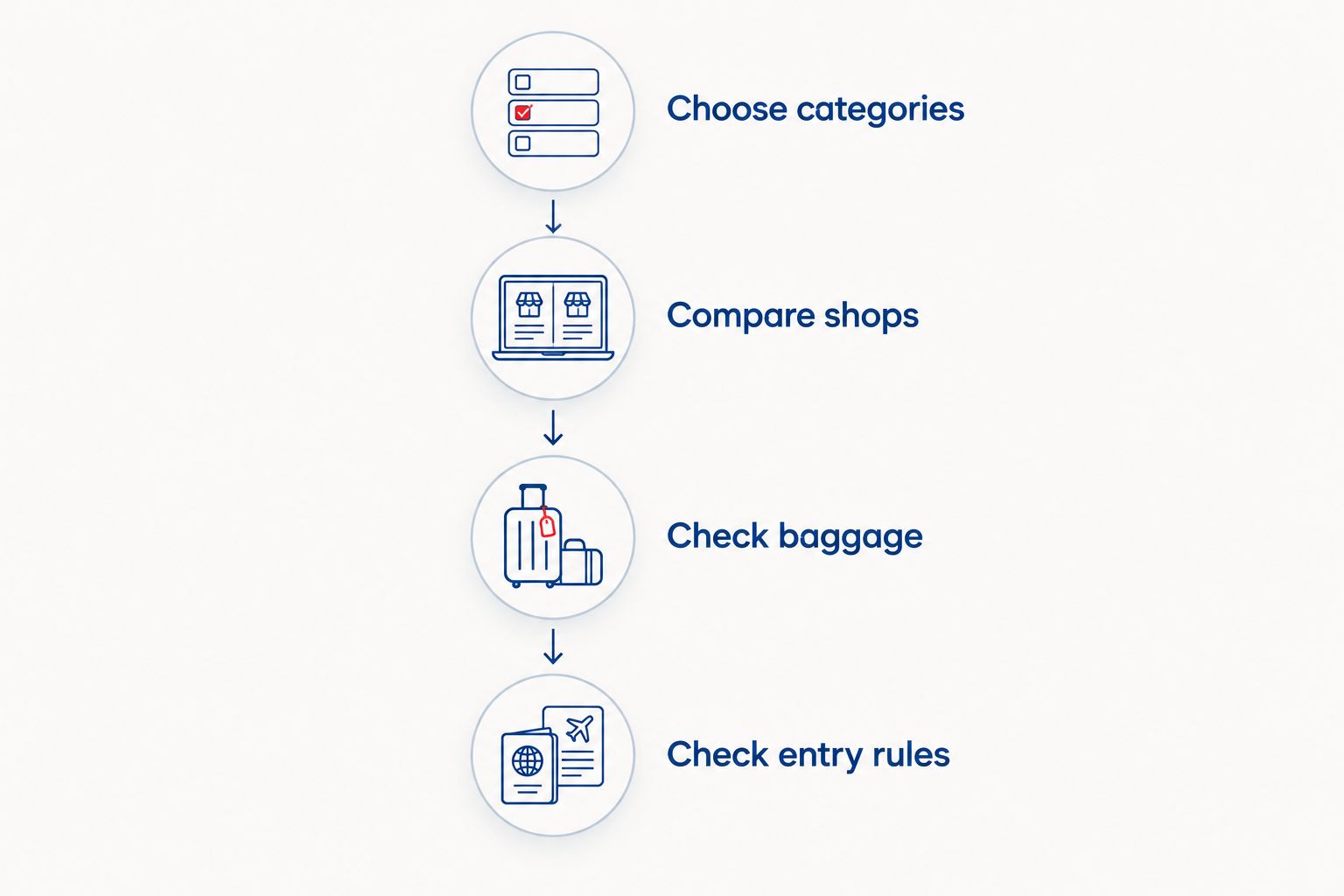
Use this sequence:
- Choose categories: Write down what you need, including sizes, materials and intended use.
- Compare shops: Visit at least 3 shops before committing to a specialist purchase where practical.
- Check baggage: Read the allowance for every flight on your itinerary, including domestic connections.
- Check entry rules: Review current New Zealand customs and biosecurity guidance for the goods you intend to bring home.
Reserve 2 shopping sessions if your itinerary allows: one for comparisons and another for purchases. Keep receipts together, and leave purchases accessible for inspection rather than burying them throughout your luggage.
Plan your India flights
Compare flight options around your arrival city, family visits and shopping stops.
Which shopping destination should you choose?
Choose Delhi if you are undecided. Its mix of markets suits a varied shopping list, while Jaipur is the clearer choice when printed textiles are the main purpose.
For a specialist purchase, follow the category: Kolkata for books, Ahmedabad for Gujarati textile crafts, Varanasi for Banarasi silk, and Hyderabad for bangles. Choose Mumbai when street-fashion browsing fits a trip you already plan to take.
FAQ
What’s the best shopping destination in India for first-time visitors?
Delhi is the best default for first-time visitors with a mixed shopping list. Choose specific markets for clothing, souvenirs or fabrics rather than trying to cover the whole city in one outing.
Is Jaipur better than Delhi for textile shopping?
Jaipur is the more focused choice for block-printed textiles, while Delhi suits a broader shopping list. Check material, stitching and production claims in either city.
Where should I shop for second-hand books in India?
College Street in Kolkata is a recognised destination for second-hand book hunting. Check the edition, binding and page condition before buying, then account for the books in your baggage.
Can I bargain in every Indian shop?
No, bargaining is not appropriate in every Indian shop. Establish whether the seller negotiates before making an offer, and respect clearly stated fixed-price terms.
How do I check whether a silk purchase is genuine?
Request clear fibre information and documentation rather than relying on touch or shine. For a specialist purchase, use a seller who explains the material and provides a descriptive receipt.
What should I check before bringing shopping back to New Zealand in 2026?
Check current New Zealand customs and biosecurity requirements before travelling. Food, plant materials, animal products and other risk goods require particular attention; declare goods when required.
Can Mann Travel NZ help with a shopping trip to India?
Mann Travel NZ compares and books flights from New Zealand to Indian cities and also offers hotel bookings. Start with your arrival city and wider itinerary, then fit shopping stops around the journey.
One last thing
Measure before you leave, not after you buy. Save garment measurements, bangle sizing and the dimensions of any space you are buying home textiles for. Those notes are more useful at a market stall than a vague memory of what should fit.
For your 2026 trip, photograph receipts and care instructions before packing. A purchase is easier to manage when its material, intended use and handling requirements are recorded together.
Related guides
- Best budget-friendly destinations in India for backpackers
- Best heritage and UNESCO sites in India worth visiting
- Best family holiday destinations in India for Kiwi travellers

