
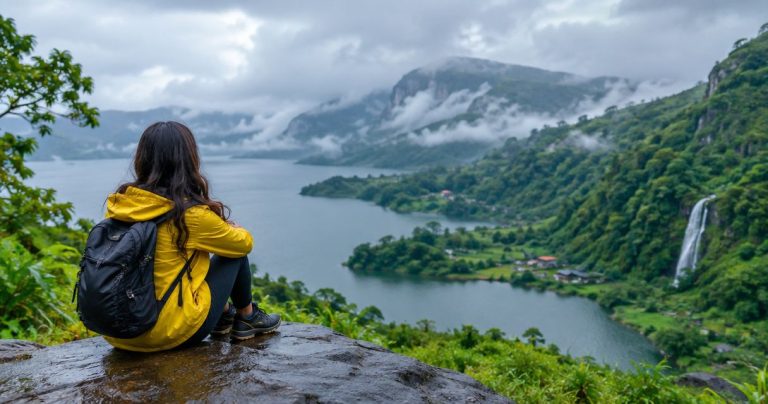
Best overall: Udaipur for sightseeing that mixes indoor and outdoor stops. Best for tea-country scenery: Munnar. Best for a drier alternative: Leh and the surrounding Ladakh region. This guide compares six of the best monsoon destinations in India for 2026, with practical advice for travellers leaving New Zealand.
- Udaipur leads the best monsoon destinations in India for flexible sightseeing, with palaces and lakeside stops.
- Choose Munnar for tea landscapes or Coorg for a coffee-country stay, not guaranteed clear views.
- Shillong suits culture-focused travellers who can change plans when heavy rain affects roads.
- Goa works for heritage and food; Ladakh offers a drier alternative with altitude precautions.
- Mann Travel NZ compares and books New Zealand–India flights; plan your onward journey around weather and access.
For flight planning, Mann Travel NZ compares and books journeys from Auckland, Wellington, Christchurch and Queenstown to Indian cities. Choose your holiday region before settling on the international arrival city: the onward journey matters as much as the flight.
Why this matters
India’s main southwest monsoon runs from June to September, overlapping New Zealand’s winter. That makes a rainy-season India trip a practical option for visiting family and adding a holiday, but not every destination suits the same activities.
For your 2026 trip, choose the experience you want to keep even when it rains. Palaces, food and a comfortable base provide alternatives; a holiday built entirely around mountain views or swimming has fewer substitutes.
The best monsoon destination is the one whose rainy-day version you still want to visit. Treat waterfalls, clear viewpoints and outdoor excursions as weather-dependent additions rather than the foundation of every day.
What makes the best monsoon destinations in India?
Use these criteria before choosing a destination:
- Rainy-day alternatives: Look for museums, heritage buildings, food experiences or a base where staying indoors still suits your plans.
- Transfer exposure: Check how much of the journey depends on mountain roads, exposed routes or separate transport connections.
- Activity fit: Rain suits green landscapes better than beach swimming or uninterrupted sightseeing on foot.
- Weather flexibility: Leave room to move an excursion instead of booking a different overnight stop every day.
- Traveller needs: Consider altitude, mobility and tolerance for wet conditions before choosing scenery over practicality.
Monsoon destinations at a glance
These are different holiday styles, not interchangeable stops on one itinerary. Choose one main region unless you have enough time for transfers and disruption.
| Destination | Best for | Standout experience | Key limitation |
|---|---|---|---|
| Udaipur, Rajasthan | Flexible sightseeing | Palaces, old-city streets and lakeside settings | Outdoor stops still depend on weather |
| Munnar, Kerala | Tea-country scenery | Tea-covered hills and misty landscapes | Rain and cloud can obscure views |
| Coorg, Karnataka | A slower coffee-country stay | Coffee-growing landscapes and a relaxed base | Rural outings depend on road and weather conditions |
| Shillong, Meghalaya | Culture alongside wet-weather scenery | Khasi cultural context and regional food | Heavy rain complicates road excursions |
| Goa | Heritage and food | Old Goa churches and Panaji neighbourhoods | Rough seas make swimming a poor focus |
| Leh and Ladakh | A drier mountain alternative | High-altitude desert landscapes and monasteries | Altitude requires acclimatisation |
1. Udaipur: best monsoon destination for flexible sightseeing
Udaipur is the strongest default choice when you want more than a scenery-only holiday. The City Palace, old-city lanes and Lake Pichola setting give you different ways to organise a day, although outdoor sections remain weather-dependent.
For a suggested 3-night stay, group nearby sights together and move lakeside walks into suitable weather windows. Do not make a boat outing the only reason for choosing Udaipur; confirm operating conditions locally.
Udaipur pros:
- Palace interiors provide an alternative to outdoor sightseeing.
- Heritage, food and lake views suit different interests.
- A city-based stay avoids changing hotels for every excursion.
Udaipur cons:
- Rain interrupts walking and outdoor palace areas.
- A city stay does not replace the tea-estate or forest experience of southern India.
Best for: Travellers who want a balanced first monsoon holiday rather than an activity-led trip.
Verdict: Buy — choose Udaipur as the default for flexible sightseeing.
2. Munnar: best monsoon destination for tea-country scenery
Munnar, in Kerala’s Western Ghats, suits travellers who want tea-growing hills and time away from city sightseeing. Rain and mist are part of the experience, not an occasional interruption to an otherwise clear-view holiday.
Choose a base you would enjoy during a wet afternoon. For a 2026 itinerary, keep viewpoints flexible and check local advice before hill-road journeys, walks or waterfall visits.
Munnar pros:
- Tea landscapes give the trip a clear focus.
- A single-base stay supports a slower itinerary.
- It suits travellers who enjoy mist as well as clear views.
Munnar cons:
- Low cloud can hide the scenery you came to see.
- Heavy rain can affect hill-road access and outdoor plans.
Best for: Couples and scenery-focused travellers comfortable with quiet time indoors.
Verdict: Buy — choose Munnar for tea country, not guaranteed panoramas.
3. Coorg: best monsoon destination for a coffee-country stay
Coorg, also called Kodagu, is a coffee-growing region in Karnataka. Choose it when you want a slower stay centred on the surroundings rather than a packed checklist of attractions.
Before booking accommodation, ask about the approach road and what you can do on the property during rain. Treat plantation walks and waterfall outings as optional, and confirm access rather than assuming every attraction operates normally.
Coorg pros:
- Coffee-growing landscapes distinguish it from a city break.
- A settled base reduces repeated packing and transfers.
- It suits travellers who prefer downtime between outings.
Coorg cons:
- Rural accommodation locations need careful transfer planning.
- Wet weather limits walks and outdoor activities.
Best for: Travellers who value the stay itself as much as sightseeing.
Verdict: Buy — choose Coorg for a relaxed coffee-country break.
4. Shillong: best monsoon destination for culture and rain
Shillong offers a base for exploring Meghalaya’s Khasi cultural context, regional food and surrounding landscapes. Choose it because you want to experience the region in wet conditions, not because you expect rain-free excursions.
Keep trips towards Cherrapunji or other outlying areas conditional on local road advice. In 2026, build your itinerary around what is accessible on the day rather than treating every viewpoint or walking route as a fixed appointment.
Shillong pros:
- Food and cultural interests add substance beyond scenery.
- A city base provides alternatives to longer excursions.
- It suits travellers specifically interested in Meghalaya.
Shillong cons:
- Heavy rain can disrupt road journeys and visibility.
- Waterfall approaches and walking routes require particular caution.
Best for: Flexible travellers who accept wet conditions and changing excursion plans.
Verdict: Buy — choose Shillong for regional interest, not predictable touring.
5. Goa: best monsoon destination for heritage and food
Goa works as a monsoon destination when you replace a beach-first plan with churches, neighbourhood walks and food. Old Goa and Panaji provide a different focus from the coastal swimming holiday many visitors picture.
Stay where you can reach the experiences you actually want. Confirm individual attraction hours and transport arrangements, and follow lifeguard instructions and beach warning flags rather than judging sea conditions by appearance.
Goa pros:
- Heritage sights give the trip a focus beyond beaches.
- Regional food supports a less activity-heavy itinerary.
- A town-based stay reduces dependence on beach excursions.
Goa cons:
- Rough seas and restrictions limit swimming plans.
- Rain interrupts neighbourhood walks and outdoor sightseeing.
Best for: Returning visitors or food-and-heritage travellers who do not need beach days.
Verdict: Buy — choose Goa for its inland and urban experiences, not swimming.
6. Leh and Ladakh: best for a drier mountain alternative
Leh and much of Ladakh sit in the Himalayan rain shadow, making this a different proposition from India’s greener monsoon regions. High-altitude desert scenery and monasteries are the draw, rather than rain-fed hills.
Drier does not mean weather-proof, and altitude changes the planning rules. Give acclimatisation priority, seek medical advice about personal health concerns and avoid scheduling strenuous activity immediately after arrival.
Leh and Ladakh pros:
- Rain-shadow geography offers an alternative to wetter regions.
- Desert mountains provide a distinct landscape.
- Monasteries add cultural interest to a scenery-focused trip.
Leh and Ladakh cons:
- Altitude requires a slower start and attention to symptoms.
- Mountain weather and road conditions still affect excursions.
Best for: Travellers seeking drier landscapes who can accommodate altitude precautions.
Verdict: Buy — choose Ladakh only with an altitude-aware itinerary.
How these destinations rank
The order prioritises rainy-day alternatives, transfer exposure, activity fit, flexibility and traveller needs. Udaipur leads because its appeal does not rest entirely on outdoor scenery; the remaining destinations serve distinct interests rather than offering progressively worse holidays.
This is a planning comparison, not a live weather forecast or a claim that routes have been inspected. For 2026 departures, check current weather warnings, transport conditions and attraction access before committing to individual excursions.
Plan the journey before booking the excursions
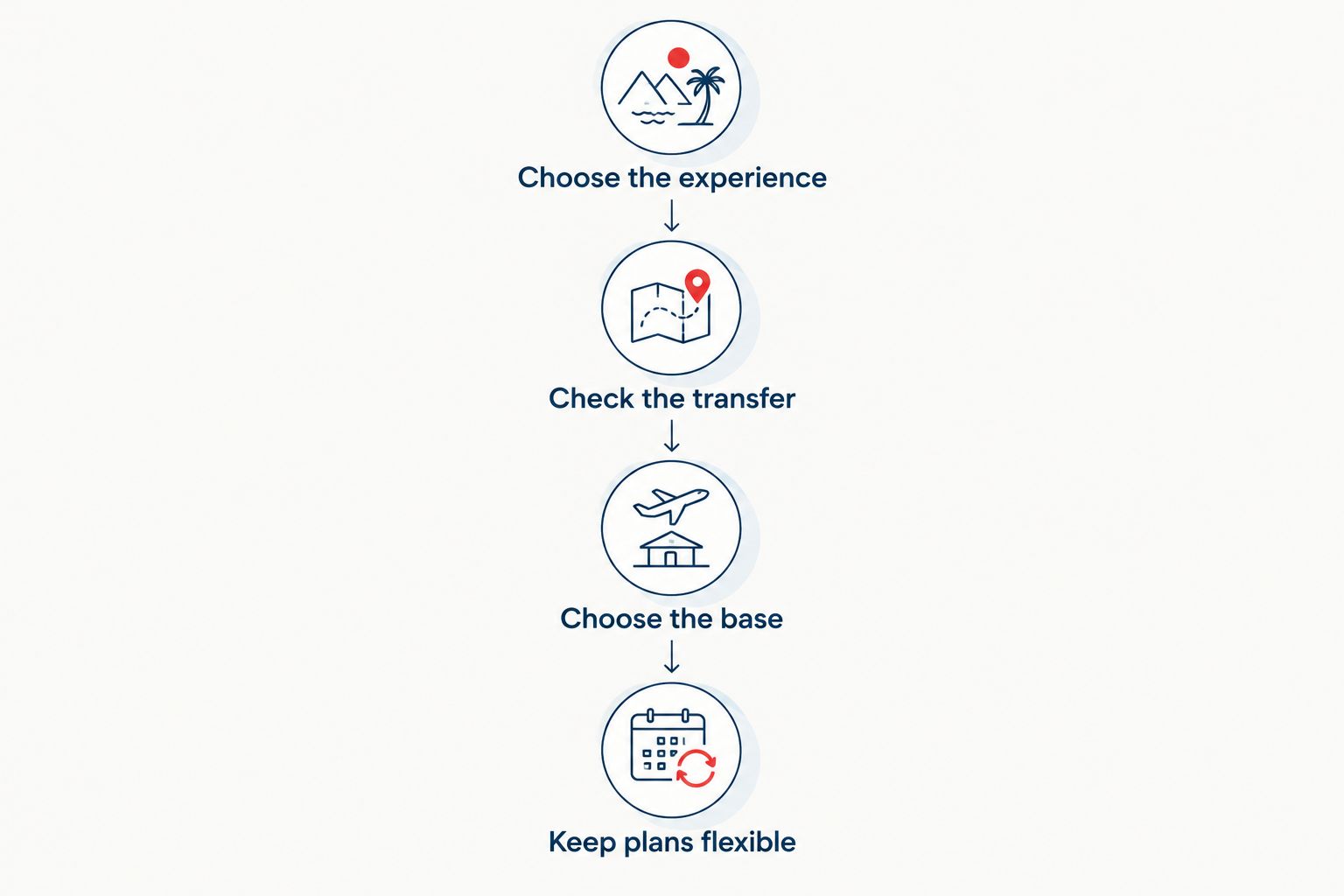
A monsoon itinerary needs a workable arrival, a suitable base and room to change plans. Follow this sequence before adding optional activities.
- Choose the experience. Decide between city sightseeing, tea country, coffee country, regional culture, coastal heritage or high-altitude landscapes.
- Check the transfer. Compare the complete journey from your Indian arrival airport, including road sections and separate connections.
- Choose the base. Confirm access, nearby food options and whether the accommodation suits an indoor afternoon.
- Keep plans flexible. Leave outdoor excursions movable and avoid a tight return connection after a weather-exposed journey.
As a suggested starting point, allow 4 nights for a settled regional stay rather than moving every morning. Keep a 2-night buffer in your international departure city when your wider itinerary includes weather-sensitive road travel; this is a planning choice, not a guarantee against disruption.
If driving is part of the holiday, use the India road-trip guide to compare route ideas, then check current conditions separately. A scenic route is not automatically a suitable monsoon route.
Mann Travel NZ is best for New Zealand travellers who want an agency to compare and book India flights. Share your preferred holiday region alongside your arrival city so the flight discussion reflects the whole trip.
Plan your India flight booking
Discuss your New Zealand departure city, Indian arrival city and onward holiday plans.
Which monsoon destination should you choose?
Choose Udaipur if you are undecided. It provides a clear sightseeing focus without making every day depend on a mountain view, a forest walk or the sea.
Choose Munnar for tea landscapes, Coorg for a slower stay, Shillong for regional culture, Goa for heritage and food, or Ladakh for a drier high-altitude alternative. These are separate holiday decisions; combining them simply to cover more places adds travel without solving the weather problem.
When discussing monsoon destinations in India with Mann Travel NZ, start with your non-negotiable experience. That is more useful than choosing an arrival airport first and discovering later that your preferred destination needs an awkward onward journey.
FAQ
What’s the best monsoon destination in India for a first trip?
Udaipur is the strongest default for a first monsoon trip focused on sightseeing. Palace interiors, food and lakeside settings give you different ways to organise the day, although outdoor activities still depend on weather.
When is India’s main monsoon season?
India’s main southwest monsoon runs from June to September. Timing and intensity vary by region, so check local forecasts and warnings for your actual travel dates.
Is Munnar or Coorg better during the monsoon?
Choose Munnar for tea-covered hills and Coorg for a slower coffee-country stay. Both require flexible outdoor plans and checks on local road conditions during heavy rain.
Is Goa worth visiting in the monsoon?
Goa is worth considering for heritage, neighbourhoods and food rather than swimming. Rough seas and beach restrictions make a beach-first itinerary unsuitable; follow local warnings and lifeguard instructions.
Where can I go in India for less monsoon rain?
Leh and much of Ladakh offer a drier alternative because of their Himalayan rain-shadow setting. They are not weather-proof, and altitude requires acclimatisation and appropriate health precautions.
Is it safe to visit waterfalls during the monsoon?
Visit only where local authorities permit access and conditions are suitable. Heavy rain can increase water flow, create slippery approaches and affect roads; never cross barriers or enter fast-moving water.
Can Mann Travel NZ help book flights for an India monsoon trip?
Mann Travel NZ compares and books flights from Auckland, Wellington, Christchurch and Queenstown to Indian cities. Share your destination region and onward plans when discussing the flight booking.
One last thing
Choose your accommodation as carefully as your destination. A remote scenic address adds little if reaching it makes every outing difficult or the stay does not suit a wet afternoon.
For your 2026 booking, ask one practical question: Would I still enjoy this base if tomorrow's outdoor excursion were cancelled? If the answer is no, change the base or choose a destination with better rainy-day alternatives.
Related guides
- Best hill stations in India to escape the summer heat
- Best beach destinations in India for a Kiwi winter getaway
- Best train journeys in India for first-time visitors

